A living room that also serves as an office three days a week, a child’s bedroom that must accommodate toys, homework, and sleep, an open kitchen where meals are eaten, work is done, and guests are received: interior design no longer starts from a catalog, but from a list of real constraints. Successfully transforming these spaces requires making the right trade-offs before choosing a style or color.
Multi-purpose room zoning: structure before furnishing
We often see interiors where the sofa faces the desk, which is itself pushed against the dining table. The problem is not the lack of square meters, but the absence of zoning. Visually delineating each use changes the perception of space without affecting the actual area.
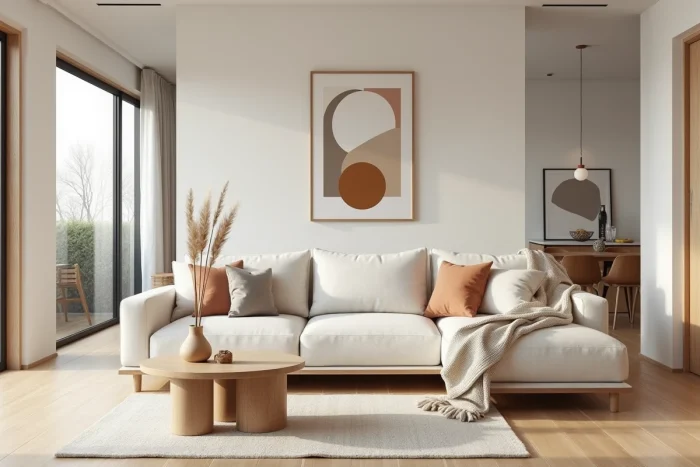
In practical terms, we can separate zones without fixed partitions. A rug is enough to mark the living area, a low piece of furniture with its back to the sofa isolates the office, and a change in flooring signals the transition to the kitchen. These interventions remain reversible, making them compatible with renting or a limited budget.
To find furniture and accessories suitable for this type of project, one can use platforms that aggregate offers from professionals and individuals at https://place-a.com/, which avoids having to search multiple sites.
The classic trap is wanting to compartmentalize everything. In a living space, a maximum of three zones works well. Beyond that, natural light is fragmented, and uncomfortable circulation corridors are created.

Integrated and invisible storage: the true trend that frees up space
The most striking results in interior design do not come from choosing a designer piece of furniture. They come from storage that is not visible. Invisible storage reduces visual clutter as much as physical disorder.
We are talking about recessed niches in the walls, floor-to-ceiling closets with flush doors, or benches with storage under the seat. These are not solutions reserved for large budgets: a custom-built unit placed in a recess often costs less than a branded dresser.
What works room by room
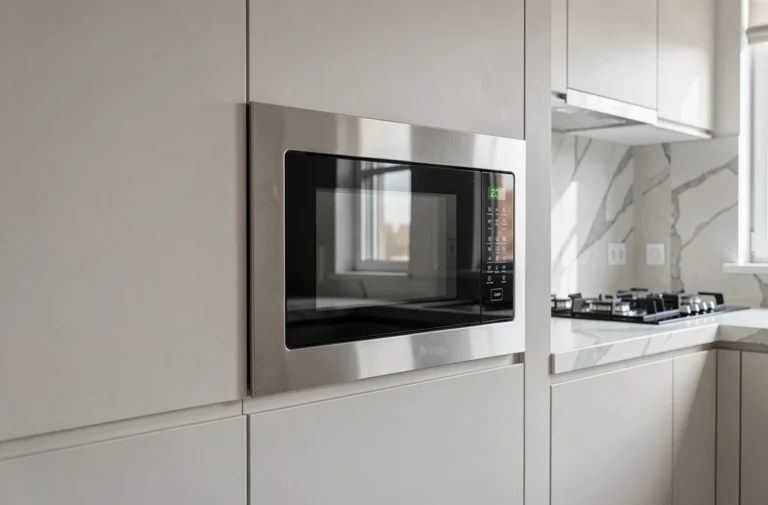
- In the kitchen, closed storage columns up to the ceiling replace open shelves that collect dust and miscellaneous items. The kitchen maintains a clean look without daily tidying efforts.
- In the living room, a built-in bookshelf in a wall niche utilizes often wasted space. A sliding panel can be integrated to hide the television when it is not in use.
- In the bedroom, a dressing area behind a lightweight partition (vertical slats, thick curtain) works better than a wardrobe pushed against the wall. The room gains visual depth.
- In the entryway, recessed hooks and a bench with storage are enough to accommodate coats, shoes, and bags without cluttering the passage.
Feedback varies on the use of push-open doors without handles: some find the system elegant, while others deem it impractical for daily use. It’s best to test in-store before committing to an entire room.
Colors and natural light: two often poorly exploited design levers
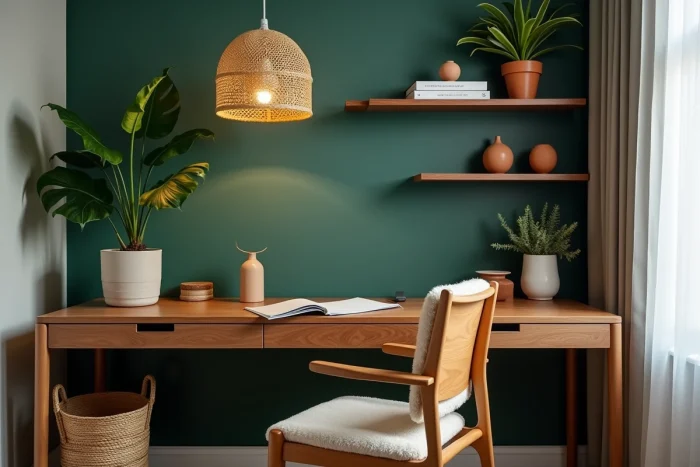
We first think of furniture and layout, but the color palette radically alters the perceived size of a room. A feature wall painted in a strong tone (sage green, blue-gray, terracotta) creates depth in a rectangular living room, provided the other three walls are kept in a light tone.
Natural light amplifies this effect. Instead of multiplying light fixtures, it is beneficial to clear the windows. Light linen curtains replace heavy opaque drapes. A mirror placed facing the light source reflects brightness toward the back of the room.
Common mistakes in color choice
Painting all rooms in off-white “to enlarge” results in a bland and featureless interior. White works when contrasted with a strong element: a dark wood floor, a colored piece of furniture, an accent wall. Without contrast, the space appears empty, not large.
The other mistake concerns windowless rooms (bathroom, pantry, hallway). White is often applied reflexively, while a dark, saturated shade, combined with good artificial lighting, gives a warmer and more cohesive look. In a windowless room, color replaces natural light as an ambiance tool.
Modular furniture: choosing pieces that change function
A well-designed interior space does not rely on fixed furniture. The rise of hybrid spaces (remote work, leisure, rest in the same room) makes modular furniture more relevant than a fixed layout.
An extendable table transitions from a desk for two to a dining table for six. A convertible sofa with storage serves daily and accommodates occasional guests. Shelves on wheels can be moved to reconfigure a room according to the time of day.
The main selection criterion remains the durability of the mechanism. A poorly designed transformable piece of furniture ends up stuck in one position after a few months. Brands that detail the number of usage cycles of their opening or deployment systems are preferred.
Successful interior design rarely hinges on a spectacular idea. It relies on the coherence between zoning, storage, light, and the choice of furniture suited to real life. Starting from daily constraints rather than an inspirational photo remains the most reliable method for achieving a lasting result.