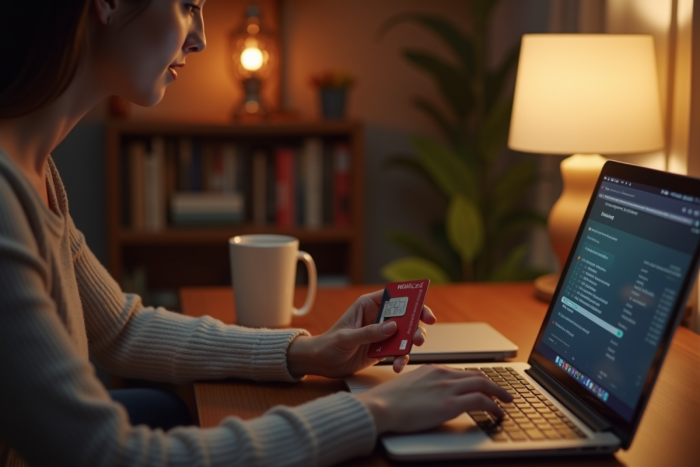
Online shopping has become a daily habit for many. This convenience comes with potential risks, such as data theft or scams. To avoid these pitfalls, you need to adopt good reflexes.
Always checking the security of the site where you are shopping is essential. A small padlock in the address bar or a URL starting with ‘https’ are reassuring signs. It is recommended to use secure payment methods and keep your antivirus software up to date for optimal protection.
Reflexes to adopt before shopping online
To shop online safely, a few reflexes are necessary. First, verify the authenticity of the site. Make sure the web address (URL) starts with ‘https’ and that a padlock icon appears. These elements ensure the encryption of exchanged data.
Check the Legal Notices and the General Terms and Conditions of Sale (GTCS). The former reveal the identity of the site owner, while the latter detail the conditions of sale, return, and exchange of products. A serious seller should provide this information transparently.
Be cautious of enticing offers. Products at excessively low prices may hide scams. Use a search engine to check the seller’s reputation and customer reviews. For example, for a site like Wooka.fr, you can consult reviews on specialized pages such as ‘Site Wooka.fr: buying and selling online, is it reliable? – Xter’.
- Avoid public Wi-Fi networks for placing orders. They are often less secure.
- Prefer secure payment methods, such as Paylib or e-Carte Bleue, which prevent you from sharing your banking information directly with the seller.
Be attentive to signs of potential fraud, such as requests for unnecessary personal information for the purchase. If in doubt, consult resources like the Online Shopping Guide created by Fevad and INC, which will assist you throughout your shopping process. 
Best practices to secure your transactions
When shopping online, adopt best practices to protect your banking data. Use secure payment methods like Paylib or e-Carte Bleue. These solutions prevent you from sharing your banking information directly with the seller.
Check that the site uses the TLS protocol, identifiable by a padlock icon in the address bar. This protocol ensures the encryption of exchanged data, thus protecting your personal information.
Avoid sharing your PIN code, as it should never be required for online payment. However, the necessary information includes the card number, the name associated with the bank account, the expiration date, and the three-digit security code.
Monitor your bank account after each purchase. In case of suspicious transactions, report them immediately through platforms such as Perceval or Cybermalveillance.gouv.fr. These tools allow you to report fraud and receive assistance.
In the face of phishing, vishing, or smishing attempts by cybercriminals, remain vigilant. Never click on suspicious links and do not disclose your personal information. Use the PHAROS service to report illegal content and Signal Conso for issues encountered with businesses.