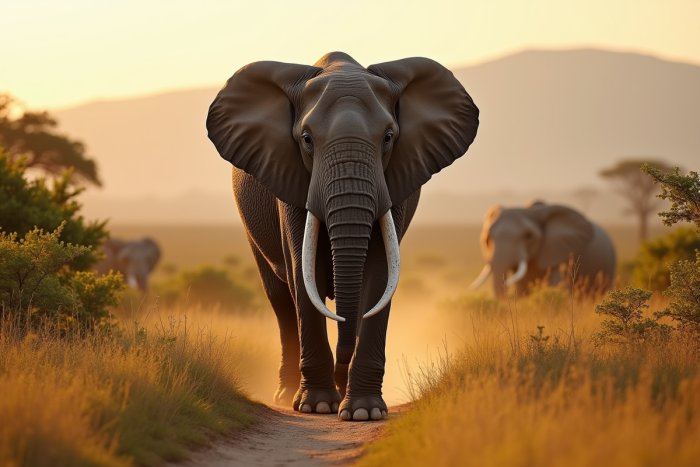
The African continent, with its exceptional biodiversity, is home to creatures whose characteristics fascinate scientists and nature enthusiasts alike. From majestic lions to imposing elephants, each species contributes to the delicate balance of local ecosystems.
Some animals exhibit particularly surprising traits. The chameleon, for example, can change color to camouflage itself and regulate its temperature. Elephants, on the other hand, possess impressive memory and play a fundamental role in seed dispersal. These adaptations are not only astonishing; they offer valuable lessons on the resilience and ingenuity of nature.
Iconic Animals of African Wildlife
The lion, often referred to as the king of the savanna, embodies power and majesty. Males, with their impressive manes, play a key role in protecting their pride. Lionesses, for their part, excel in the art of hunting, working in groups to track their prey.
The African elephant, the largest land mammal, fascinates with its intelligence and memory. Capable of traveling long distances, it contributes to seed dispersal, thus promoting forest regeneration.
Fascinating Adaptations
- The chameleon: Master of camouflage, it changes color to blend into its environment and regulate its temperature.
- The giraffe: With its long neck, it reaches leaves on trees that are inaccessible to other herbivores.
- The baboon’s bottom: This intriguing feature serves not only to attract mates but also to protect against infections. To learn more, check out the article baboon’s bottom.
The Ecological Role of Species
Zebras, with their unique stripes, disrupt the vision of predators, providing them protection. The rhinoceros, with its thick skin and imposing horn, plays a grazing role, maintaining the balance of grasslands.
| Animal | Role |
|---|---|
| Lion | Regulation of herbivore populations |
| Elephant | Seed dispersal |
| Giraffe | Grazing on tall trees |
These adaptations and ecological roles demonstrate how each species is indispensable for maintaining the balance of African wildlife. Their preservation is therefore essential for the sustainability of ecosystems.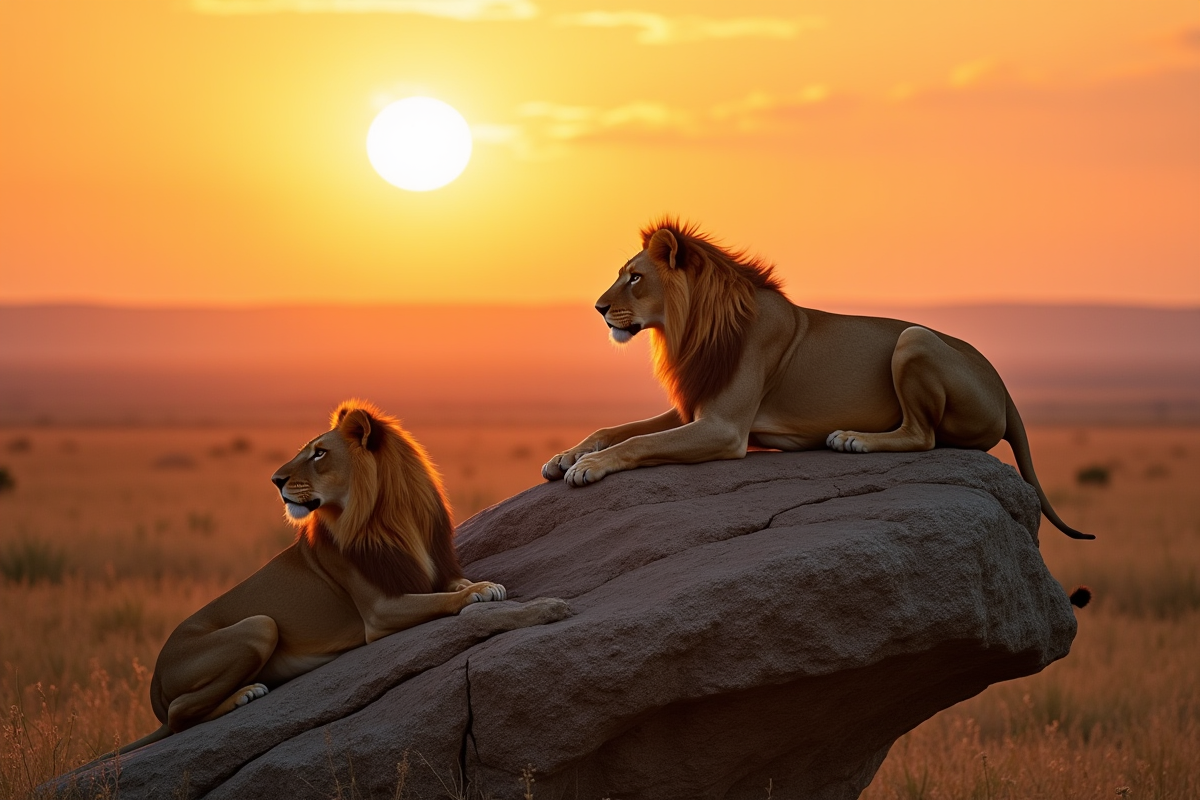
Unique and Useful Adaptations of African Animals
Africa is home to species with remarkable adaptations shaped by millions of years of evolution. These adaptations allow animals to survive in often hostile environments, where competition for resources is fierce.
The Defense System of the Porcupine
The African porcupine has sharp quills that it uses effectively to defend itself against predators. When threatened, it raises its quills and can even project them to deter the enemy. This defense method is both deterrent and lethal for aggressors.
The Survival Skills of the Meerkat
The meerkat, living in arid deserts, has developed exceptional survival skills. In very close-knit groups, meerkats take turns standing guard against predators. Their varied diet, including insects and small vertebrates, allows them to adapt to changing food conditions.
- The Fennec’s Ears: The fennec, with its large ears, dissipates body heat, allowing it to regulate its temperature in desert environments.
- The Antelope’s Speed: The antelope, capable of running at impressive speeds, escapes its predators thanks to extraordinary agility and quickness.
The Leopard’s Camouflage
The leopard is a master of camouflage. Its spots allow it to blend into dense vegetation, making hunting more effective and increasing its chances of success. This concealment technique is fundamental to its survival, enabling it to stealthily approach its prey.
These adaptations, each unique in its own right, testify to the diversity and richness of African wildlife. They illustrate the remarkable ability of species to adapt to their environment, thus ensuring their survival and that of the ecosystems they inhabit.