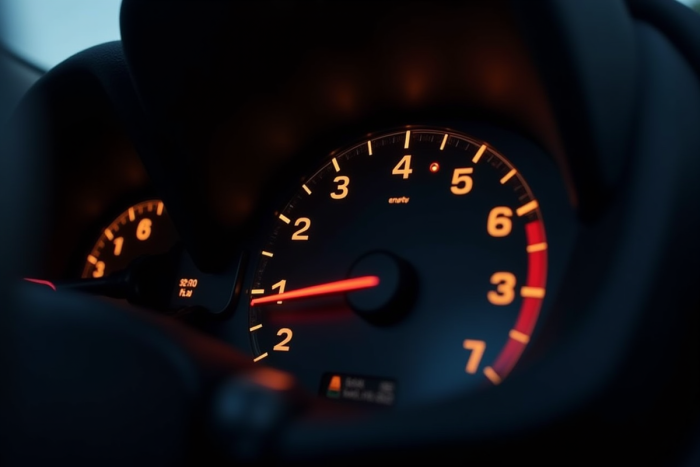
When the fuel reserve warning light comes on, a slight panic may set in. How many kilometers can I still drive? Will I find a gas station in time? These questions are common and deserve clear answers.
The fuel reserve is designed to offer a last resort before running out of gas. You need to understand how it works and what it means for your specific vehicle. Each car has its own characteristics and reserve capacities, and knowing the details can save you a lot of trouble on the road.
How many kilometers can you still drive when the fuel light is on?
When the fuel reserve warning light comes on your dashboard, it signals that the tank is reaching about 10% of its total capacity. This information is crucial for anticipating your consumption and avoiding running out of gas. The distance you can travel on reserve varies depending on your vehicle model and its fuel efficiency.
For example, a Volkswagen Passat can still drive up to 121 km with the reserve light on, while a BMW M3 can only cover 51 km. These figures show how much capacities can differ from one vehicle to another. For models like the Clio 2 reserve, you should refer to the specific data provided by the manufacturer or reliable sources like Team Auto Passion.
Factors influencing reserve distance
- Fuel consumption: A more fuel-efficient vehicle can travel further on the same amount of reserve.
- Driving conditions: City driving with frequent stops consumes more fuel than highway driving.
- Vehicle condition: Poor maintenance can increase consumption and reduce the possible distance on reserve.
Display and precautions
The dashboard of many modern vehicles displays the estimated number of kilometers remaining when the reserve is reached. This indication, while valuable, should be used with caution. Driving variations and road conditions can affect this estimate. It’s best to look for a gas station as soon as possible to avoid any unpleasant surprises. 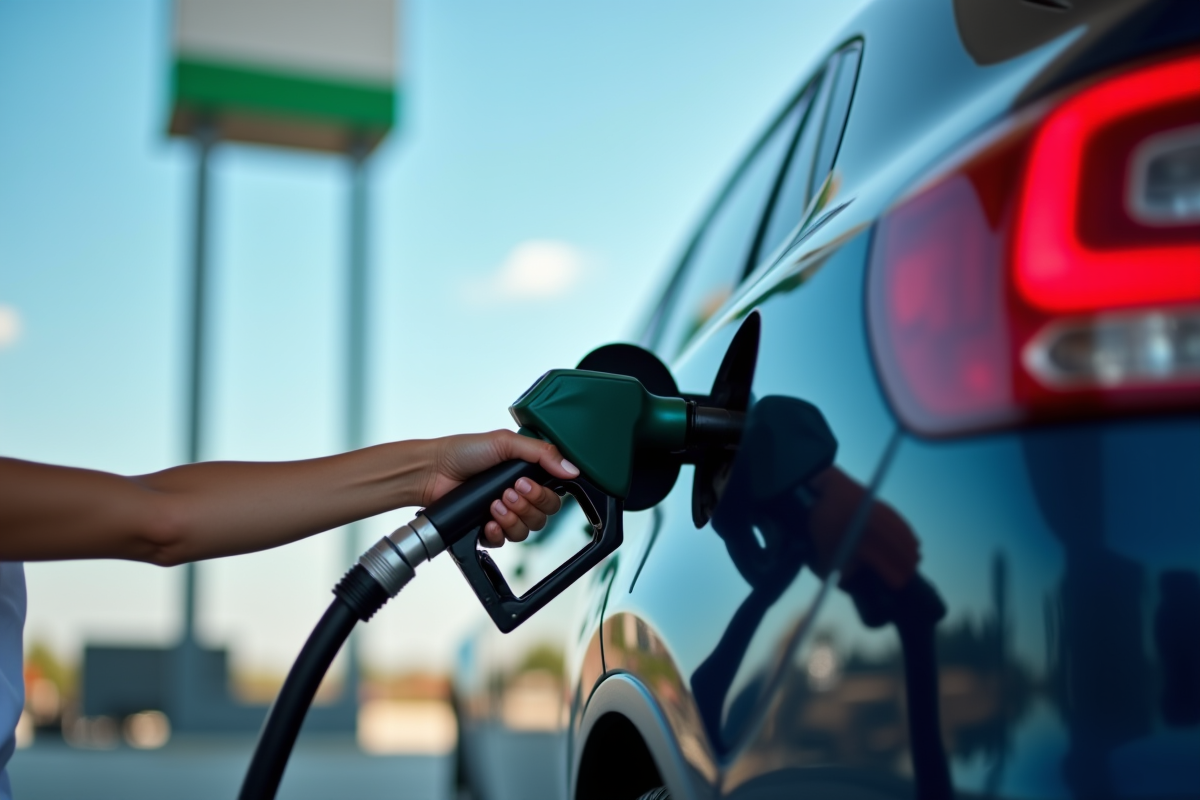
Why is it better to avoid driving on reserve?
Regularly driving on reserve exposes your vehicle to various mechanical risks. Jonathan Arveuf, an expert at Point S, explains that sediment particles in the tank are not necessarily at the bottom. These particles are constantly stirred and can be sucked in at any time, risking clogging the fuel filters.
Risks for the fuel pump
Etienne Raoelison, director of the garage de l’Ille, warns about the risk of the fuel pump losing its prime. A primed pump can lead to significant repair costs. Indeed, when the tank is nearly empty, the pump may suck in air, causing overheating and premature wear.
- Clogging of filters: Sediments can clog the filters, requiring more frequent maintenance.
- Loss of prime in the pump: A primed fuel pump can lead to breakdown and costly repairs.
Maintenance and precautions
To avoid these inconveniences, keep your tank at least half full. Raoelison recommends driving slowly when the gauge is low to minimize the risks of losing prime in the pump and clogging the filters. This precaution is particularly fundamental, whether you use gasoline or diesel.
| Risk | Consequence |
|---|---|
| Clogging of filters | More frequent maintenance |
| Loss of prime in the pump | Breakdown and costly repairs |
By following these recommendations, you preserve the longevity and proper functioning of your vehicle.