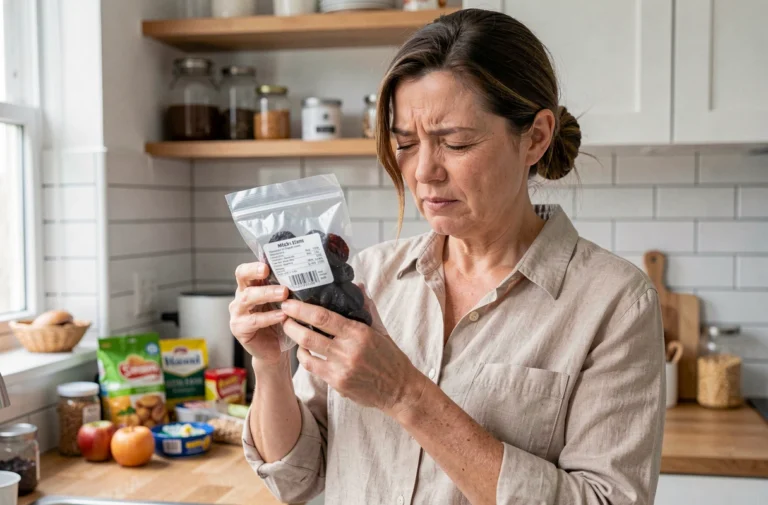
A healthy lifestyle refers to a set of regular behaviors that promote the proper functioning of the body and mind: nutrition, physical activity, sleep, stress management. Adopting these habits does not require radical transformation, but targeted adjustments whose effects accumulate over the weeks.
Circadian Biology and Healthy Habits: Why Timing Matters as Much as Action
Most advice on healthy living focuses on the what (eating vegetables, exercising, sleeping more). They often overlook the when, even though the circadian rhythm conditions the effectiveness of each habit.
The body does not metabolize nutrients the same way at eight in the morning and at ten in the evening. Eating early in the day improves blood sugar regulation, because insulin sensitivity is higher in the morning. Shifting main meals to the evening, even with the same caloric intake, promotes fat storage and disrupts sleep quality.
For physical activity, the late afternoon slot corresponds to the peak of body temperature and neuromuscular coordination. Engaging in intense exercise just before bedtime, on the other hand, delays sleep onset by keeping cortisol levels high.
Synchronizing habits with one’s biological clock costs nothing but amplifies the benefits of each action. On santezen.fr, several wellness approaches incorporate this temporal dimension into their nutritional and lifestyle recommendations.

Adapted Physical Activity: Medical Prescription Changes the Game
Since the decree of December 30, 2022, and its implementing texts published in 2023, French doctors can prescribe adapted physical activity to patients with long-term conditions. This prescription is supervised by trained professionals and may, in some cases, be covered by Health Insurance or supplementary health plans.
This initiative marks a turning point in prevention. Exercise is no longer just common-sense advice; it is part of the care pathway just like medication. For individuals with type 2 diabetes, heart failure, or chronic respiratory diseases, a supervised exercise program reduces complications and decreases long-term healthcare consumption.
How to Benefit from It Practically
The process begins with a consultation with the primary care physician, who assesses physical condition and writes a prescription. The patient is then referred to a teacher of adapted physical activity or a physiotherapist, depending on the pathology.
- The doctor specifies the type of exercise (endurance, strengthening, flexibility), the intensity, and the frequency suited to the illness
- The supervising professional adjusts the program based on progress and any pain
- A regular assessment allows for measuring benefits on biological markers (blood sugar, blood pressure, respiratory capacity)
Even without a long-term condition, this logic of exercise personalization deserves to be adopted. A generic program found online does not take into account joint constraints, fitness levels, or the person’s actual goals.
Nutrition and Planetary Health: A Documented Double Benefit
Since 2023, the WHO emphasizes the concept of planetary health in its nutritional recommendations. The idea is simple: diets that are good for the body are also those that have the least impact on the environment.
Reducing red meat consumption in favor of legumes, whole grains, and plant proteins decreases both the risk of cardiovascular diseases and the carbon footprint of the plate. It is no coincidence that Mediterranean populations, whose diet historically relies on vegetables, olive oil, and legumes, show some of the lowest rates of chronic diseases.
Practical Trade-offs in Daily Life
Adopting a healthy and sustainable diet does not mean eliminating all animal protein. The challenge lies in proportions and frequency.
- Replacing two to three meat meals per week with legumes (lentils, chickpeas, beans) meets protein needs without deficiency
- Favoring local and seasonal products reduces transport and ensures better nutritional density
- Limiting ultra-processed foods protects both metabolic health and the environment, as these products are very resource-intensive
The quality of nutrition also affects sleep and stress. An excess of refined sugars in the evening disrupts sleep onset, while sufficient magnesium intake (found in nuts and green vegetables) promotes muscle relaxation.

Sleep and Stress Management: The Often Overlooked Foundation
Improving diet and increasing physical activity yield limited results if sleep quality remains poor. Sleep is the primary lever for physical and cognitive recovery, and its degradation amplifies sensitivity to stress, weight gain, and chronic inflammation.
The quality of sleep largely depends on what happens in the two hours before bedtime. Screen exposure delays melatonin secretion. Caffeine consumed after mid-afternoon remains active in the body at sleep onset.
Chronic Stress and a Healthy Lifestyle
Chronic stress cannot be resolved solely through relaxation. It requires action on its structural causes: workload, lack of sleep, sedentary lifestyle, social isolation. Addressing just one of these factors often leads to a cascading improvement in the others.
Controlled breathing practices (heart coherence, diaphragmatic breathing) offer a concrete advantage: they activate the parasympathetic nervous system within minutes, reducing heart rate and blood pressure. Unlike lengthy meditation, they can be easily integrated into a workday, between meetings or during commutes.
A healthy lifestyle does not rely on a single action or perfect discipline. The consistency of a few well-chosen habits, synchronized with the body’s natural rhythm, produces more lasting effects than any intensive program abandoned after three weeks.