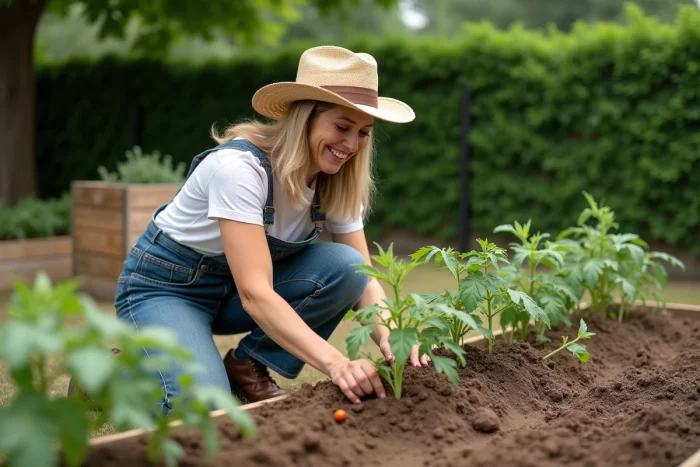
A raw figure, without detours: composting kitchen waste reduces the volume of the trash bin by a third, while returning to the soil what it needs to thrive, without any trace of chemicals. But the devil is in the details; orange peels or meat scraps, slipped in out of habit, slow down the transformation and disrupt the invisible life of the compost. Often relegated to the background, the good alliances between plants nonetheless create a natural line of defense: fewer pests, fewer products to spray.
European legislation has banned many plant protection substances that were once used without a second thought. But nature never leaves a void: other solutions, closer to the earth, take over. Old techniques, gestures passed down from generation to generation, sometimes it just takes looking around to find effectiveness and respect for life.
Why gardening naturally changes everything for the environment
Choosing ecological gardening means shaking up old reflexes and reclaiming the connection to the soil. Reducing the use of chemical products, betting on natural pesticides, respecting the rhythm of plants: this is the foundation of a natural garden where biodiversity regains its rights. Small actions carry weight. Compost brings life back to the soil, hedges provide refuge for birds and insects, and local fruits and vegetables anchor the garden in its territory. There’s nothing trivial about this: every action restores balance, making the plot more resilient.
As soon as one adopts practices like ecological watering or mulching, pressure on water decreases significantly. Organic gardening tips move from the realm of good ideas to concrete actions, driven by the challenges of sustainable development and the guidelines of Ademe. Soils, long impoverished by synthetic fertilizers, regain abundant activity. Worms, microorganisms, and pollinators reappear, signs of a fertile and vibrant garden.
To promote biodiversity, one must accept variety. Choosing plants for ecological gardens that are suited to the soil and climate reduces dependence on treatments. Allowing space for nature, welcoming diversity: this enables each species to settle, interact, and contribute to life. Gardening naturally with Jardiner Naturellement embodies this approach: acting for the planet, defending the health of soils and humans, without compromise or half-measures.
What simple actions to adopt for an eco-friendly garden every day?
Rethinking waste: compost and green recycling
Compost is that discreet partner that transforms everything left over into precious organic soil. By recycling your green waste and peels, you nourish the soil of your garden while lightening the household waste circuit. This double benefit is achieved without resorting to synthetic products, simply by following the rhythm of natural decomposition.
Water conservation and respect for life
Install a tank to collect rainwater: even discreet, it is enough to cover a good part of the ecological watering. Focus on mulching with garden resources, such as dead leaves, clippings, and wood chips. This natural cover protects the soil, retains moisture, and limits the proliferation of competing weeds. Thanks to mulching, the soil suffers less from drought and welcomes more underground life.
Rotation, associations, and green fertilizers
Alternating the locations of your crops (rotation) breaks the routine of diseases and enriches the soil. Sow green fertilizers like phacelia or white clover: these plants improve soil structure and nourish it in the long term. The harvested vegetables thus find fertile ground, without relying on chemical inputs.
Here are some wise practices to implement:
- Use mulching to reduce evaporation and retain moisture after each watering.
- Turn to bio-control: release ladybugs, encourage beneficial insects, or make natural decoctions to contain pests and diseases without polluting your environment.
Ecological gardening is not a constraint: it is a choice that respects life, conserves resources, and breathes new life into every plot. Every thoughtful action shapes a natural garden where balance and sobriety come together daily.
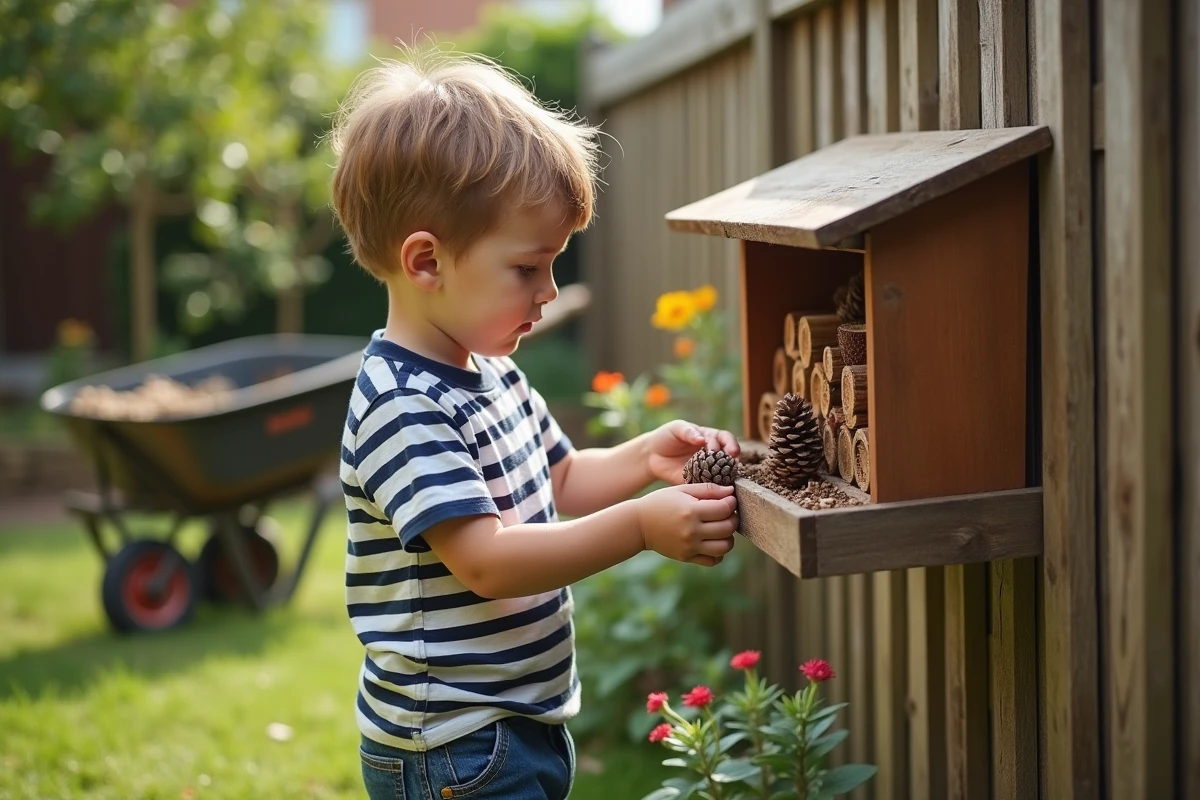
Focus on concrete tips to preserve biodiversity at home
Create shelters for beneficial wildlife
Place insect hotels or hedgehog shelters out of the sun, near hedges. These installations welcome natural allies, true ramparts against pests and valuable aids for the garden’s balance. A pile of old wood or a few gathered stones can be enough to host discreet but essential wildlife.
Multiply local plant species
Enrich your space by choosing plants for the garden that are native to the region. Accustomed to the climate, they require less care and promote a robust biodiversity. Country hedges, flowering beds, and strips of flowering fallow attract pollinators and harmoniously structure the space. By varying shapes, heights, and flowering periods, you provide insects with a food source all year round.
To go further, here are two concrete ideas to try:
- Sow varieties of fruits and vegetables that are forgotten or rustic: they diversify your vegetable garden and strengthen the balance of your ecological garden.
- Favor natural pesticides or good plant associations to keep pests and diseases at bay while preserving the health of your soil.
Keep a small patch of land fallow, even if discreet. This area, left free, allows spontaneous flora to thrive, becoming a refuge for insects and a source of inspiration for those who want to draw from life. Protecting biodiversity means embracing surprise, the emergence of the wild, and the richness of unexpected encounters.